The Hidden World of Ammonia: Applications, Production, and Environmental Impact
Ammonia, with its distinctive odor and wide-ranging applications, is a compound that impacts our daily lives in ways we may not even realize. From fertilizers to refrigerants, its versatility and significance are undeniable. In this comprehensive exploration, we will delve into the multifaceted world of ammonia, examining its applications, production methods, environmental implications, and the vital role played by laboratories like Astolabs in Chennai in understanding and mitigating its impact.
Understanding Ammonia
Ammonia, chemically represented as NH3, is a compound composed of one nitrogen atom and three hydrogen atoms. It's a colorless gas with a pungent odor, reminiscent of household cleaners. Despite its strong smell, its importance extends far beyond its use as a cleaning agent.
Applications of Ammonia
Production Methods
Environmental Considerations
While ammonia plays a crucial role in various industries, its
production and use raise environmental concerns. Ammonia emissions
can contribute to air pollution and acidification of ecosystems.
Additionally, excessive use of ammonia-based fertilizers can lead to
nitrogen runoff, causing water pollution and eutrophication.
Efforts are underway to mitigate these environmental impacts through
improved production technologies, sustainable farming practices, and
the development of alternative ammonia synthesis methods using
renewable energy sources. By reducing emissions and optimizing
usage, we can minimize the environmental footprint of ammonia and
protect ecosystems for future generations.
Importance of Ammonia Testing: Health and Safety Implications
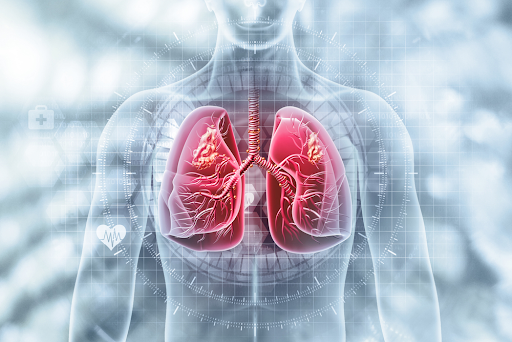
Ammonia testing is crucial for ensuring both environmental safety and human health. Elevated levels of ammonia can pose serious risks:
Role of Laboratories
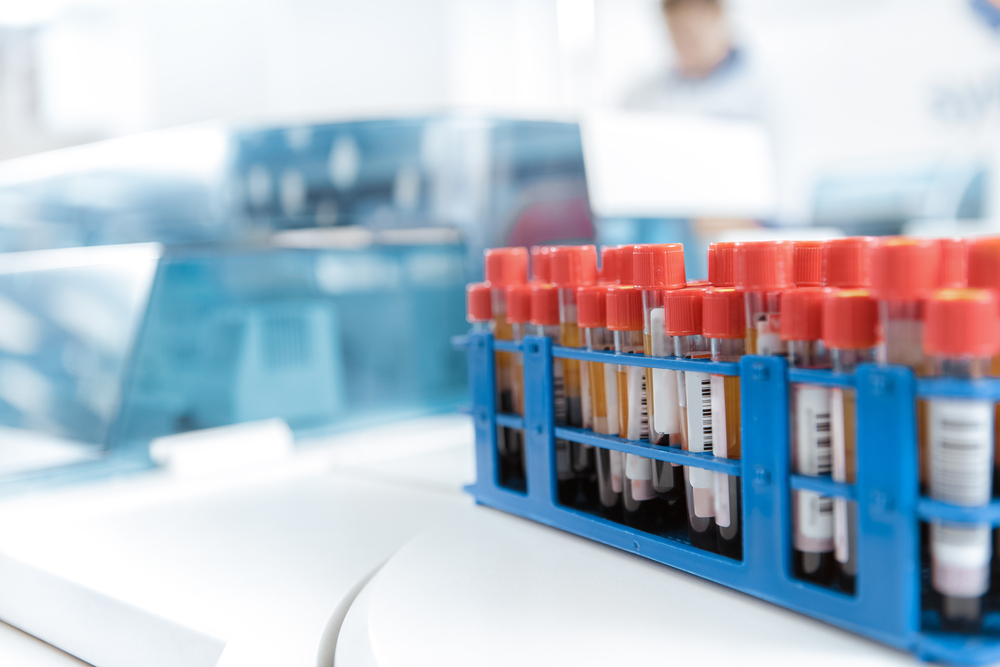
Laboratories like Astolabs in Chennai are at the forefront of ammonia testing and research. They play a pivotal role in:
Conclusion
In conclusion, laboratories like Astolabs in Chennai play a crucial role in testing ammonia , informing decision-making and mitigating environmental impact. Collaboration facilitates leveraging ammonia's benefits while prioritizing sustainability. Understanding its applications, production methods, and environmental considerations is key to a sustainable future. Through technology, innovation, and cooperation, ammonia can support civilization while safeguarding the planet's health.